

Plastic waste is damaging to our environment as it reduces the capacity of ecosystems to adapt to climate change and puts a strain on food supply.
A key pillar of our ESG strategy is protecting the environments where we operate and managing plastic pollution on our sites and in our communities is a critical part of this pillar.

Our approach
Since 2022, we have identified the fight against plastic pollution as a key environmental responsibility across our operations.
We also work with all our suppliers to reduce the production of plastic waste across our supply chain.
In addition, we support the development of projects that recover and create value from remaining plastic waste.
Zero plastic bottles
In 2022, we identified single-use plastic water bottles as a significant contributor to our plastic footprint and committed to reducing their use to near-zero.
Since establishing our baseline, we have successfully eliminated single-use plastic water bottles across our operations, achieving a 99% reduction in 2025 compared to 2022 levels. Plastic water sachets have also been phased out across all sites.
For 2026, we will aim to maintain at least at 95% reduction versus our 2022 baseline and plan to launch a "3R" (Reduce, Reuse, Recycle) project for plastic waste at our Houndé mine.

≥95%
reduction in single-use plastic maintained
2026 target
Extending our commitment to local communities
Throughout the year, we organise site and community clean-ups to engage employees and local stakeholders in tackling plastic pollution. These clean ups take place in major cities near our offices and along Senegalese coastline, where our waste management centre, launched in 2025, is expected to collect around 300 tonnes of plastic waste per year.


ESG week clear up at Houndé


Plastic clear up with local community at Houndé


Beach clear up in Senegal
Sustainability Report 2025
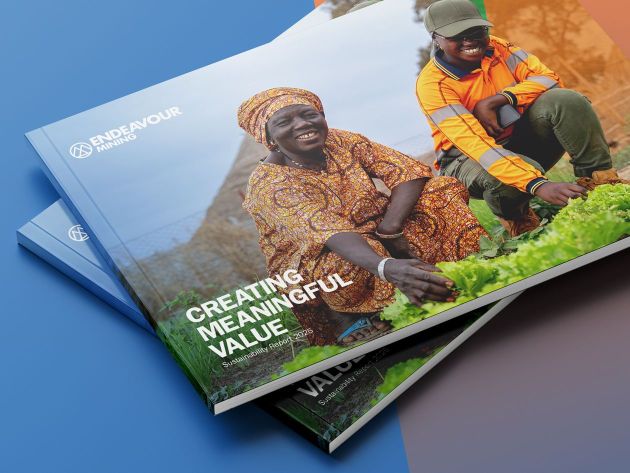
Read about our ESG strategy and the significant sustainability milestones reached in 2025.
Explore detailed ESG metrics and performance data in our 2025 ESG Data Centre.
World Gold Council Indaba Speech
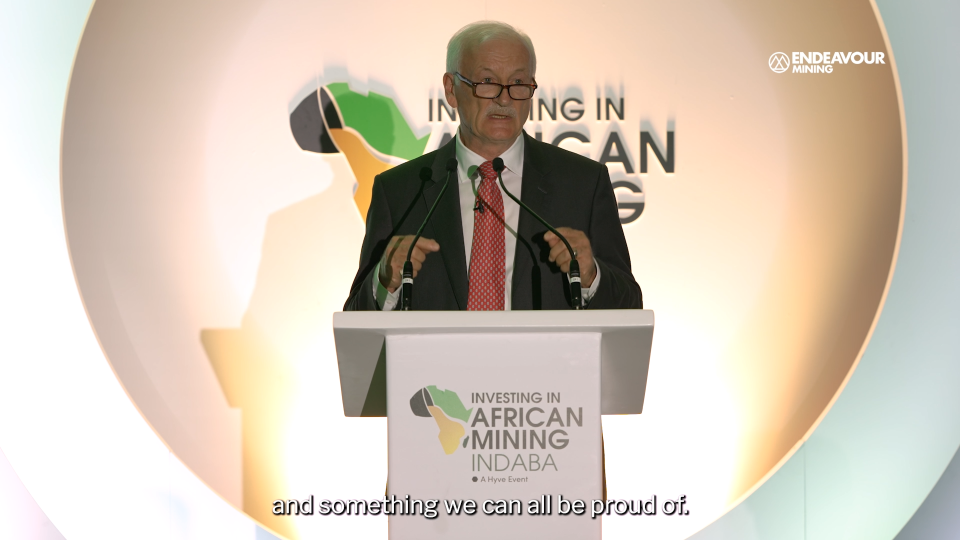
Our CEO, Ian Cockerill, delivered a keynote speech at the World Gold Council reception during the African Mining Indaba 2026 touching on the importance of responsible mining and transparent supply chains.
So the choice is clear, we can treat these shifts as pressure, or as the catalyst to modernise our industry for the next generation; and that means responsible mining, transparent supply chains and digitally trusted gold. That is how we build an industry that is not only profitable — but legitimate, resilient, and future-ready, and something that we can all be proud of.